A new Delightful Deliveries shop that sells gift items has been opened in Blantyre.
The new shop is in Mall of Africa building room number 18B at Ginnery Corner in the commercial city.
Speaking during the grand opening ceremony on Friday, the shop owner Gloria Kamwendo said they had a lot of customers in Blantyre who needed the gift items that they sell hence the decision to open a new shop.
“We noticed that there was an increase in number of customers here Blantyre who needed the gift items that we sell. At first, we only had one shop in Lilongwe and we believe that with this new shop here many will enjoy our items.
“The another reason why we have opened this shop here is to cut costs our customers spent when traveling to Lilongwe just to get our items. Even to send them the items from Lilongwe was costly.
“We hope with this new shop that will now be the story of the past,” said Kamwendo.
She encouraged Blantyre residents who want to buy gifts for birthdays, engagements, weddings, funerals and many others to come to Delightful Deliveries.
“At Delightful Deliveries, we sell gift items. In short, our shop is a gift shop. Come at Delightful Deliveries and buy several gifts for your friends, families. We sell high quality gift items used in different events and functions,” she said.
On her part,one of customers from Chilima Township Madonna Nyirenda expressed excitement over the opening of new Delightful Deliveries shop in Blantyre.
“We are very happy to now have Delightful Deliveries shop here in Blantyre. They sell original and high quality products.
“At first, it was costly for us to buy their items from Lilongwe but now that the shop is here, we are very happy,” said Nyirenda.
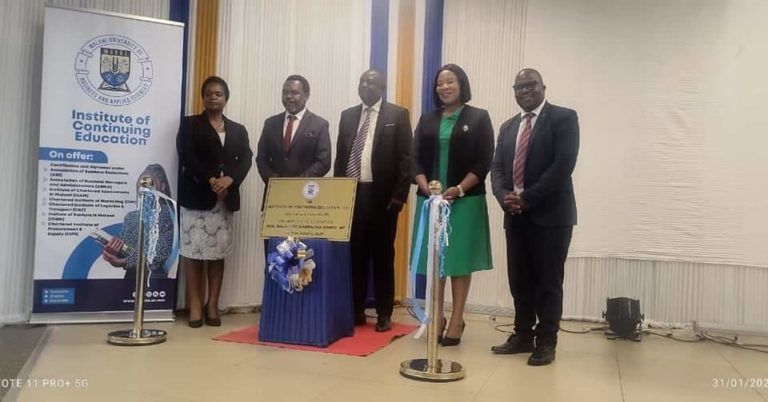
Malawi University of Business and Applied Sciences(MUBAS) Vice Chancellor Associate Professor Nancy Chitera says there is a need for high learning institutions in the country to start creating more space so that they can be able to accommodate many students who are denied tertiary education due to shortage of space.
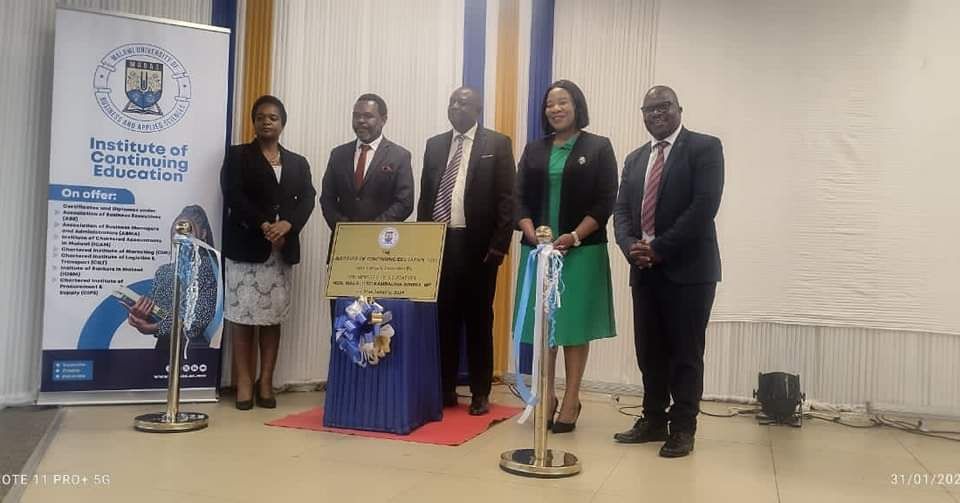
Chitera was speaking this on Wednesday during the official launch of Institute of Continuing Education (ICE) formerly, Continuing Education Centre (CEC).
She said the opening of ICE is part of the MUBAS’s commitment to providing relevant and high-quality tertiary education for all.
“The opening of ICE is a great milestone in quest of providing quality continuing.
“As number of university students increases let us also expand our spaces so that no one is left behind.
“Just imagine, the institute we are launching today is accommodating over 1,000 students.These are the ones who were not picked in the normal intake because of shortage of space,”said Chitera.
She then assured the general public that MUBAS remains committed to providing such relevant and high-quality tertiary education so as to drive positive change.
In her speech, Minister of Education Madalitso Kambauwa Wirima commended MUBAS for bringing such helpful initiatives in the country’s education system saying they are very helpful.
“We hope that initiatives like these will increase access to tertiary education,” said Wirima.
She indicated that the Government is also committed towards promoting access to tertiary education in the country.
ICE has centers in Blantyre,Lilongwe, Salima and Mzuzu.
The Institute offers several programs at Certificate, Diploma and Advanced Diploma programs.
The Non-Governmental Organizations Regulatory Authority (NGORA) has expressed optimism that the financial terrorism assessment on NGOs will enhance good governance on the use of resources in the country; thereby contributing to national development.
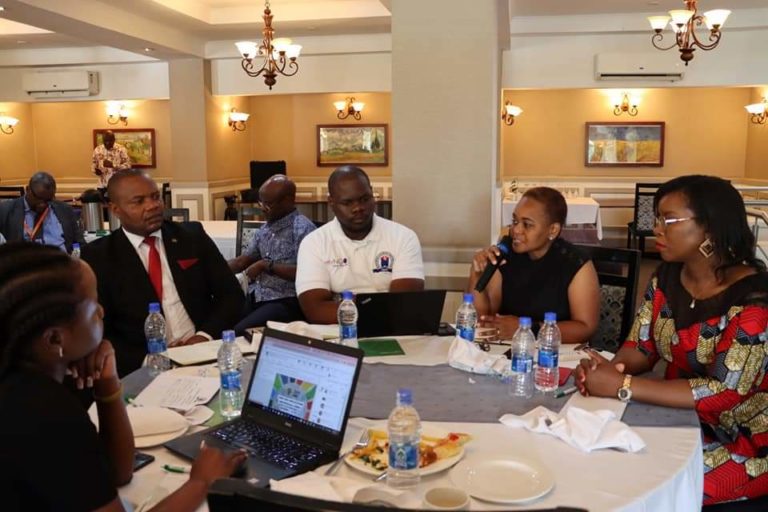
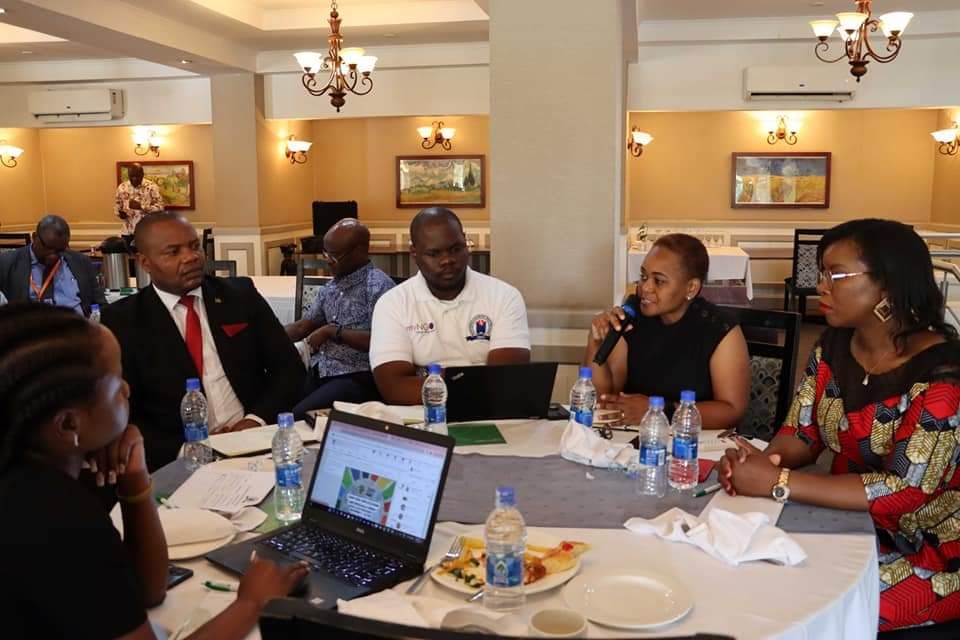
Chief Executive Officer for NGORA, Edward Chileka Banda made the remarks on Friday in Lilongwe during an interface meeting with Civil Society Organizations (CSOs) on the suppression of terrorist financing and proliferation within NGOs.
Banda said the assignment is of great importance as it will safeguard organizations from acts of corruption.
“We also wanted to alert NGOs of requirements that are present in the interest of ensuring that resources are utilized properly in the sector. Internationally, there is an issue of financing terrorism, and we are asking NGOs to ensure they don’t get involved in any acts prohibited by law,” Banda said.
Banda then urged organizations to get a license if they were operating without proper documentation, saying this will help to sustain interventions that NGORA undertakes in boosting capacity building.
Country Director for Amref Health Africa in Malawi, Hester Mkwinda Nyasulu described the assessment put forward by NGORA as a positive development and called upon every organization wishing to create an environment where there is no room for terrorism to take part.
“We are looking forward to the plans that NGORA has put through; for instance, the issue of capacity building and assessment of organizations. For us as NGOs, the assessment is a welcome development because financing terrorism is not good.
“I am encouraging other organizations to take part in the exercise because together we can create an environment free from terrorists in our sector,” said Nyasulu.
The interface meeting was graced by representatives from Amref Health Africa, Save the Children, Christian Aid as well as representatives from Ministry of Gender.
It has been discovered that through Reaching Every Child (REC) project which is being implemented by Malawi Health Equity Network (MHEN), there is now tremendous progress in the work of increasing vaccine immunisation uptake among the under five children in the country.
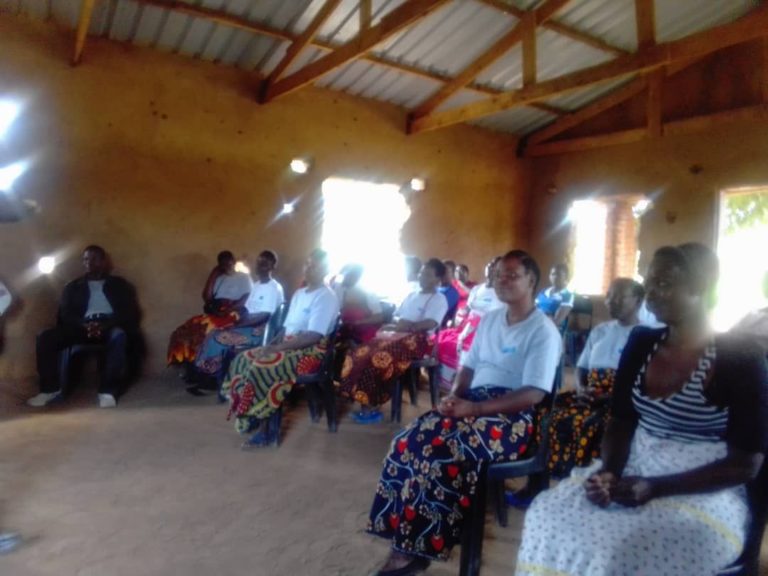
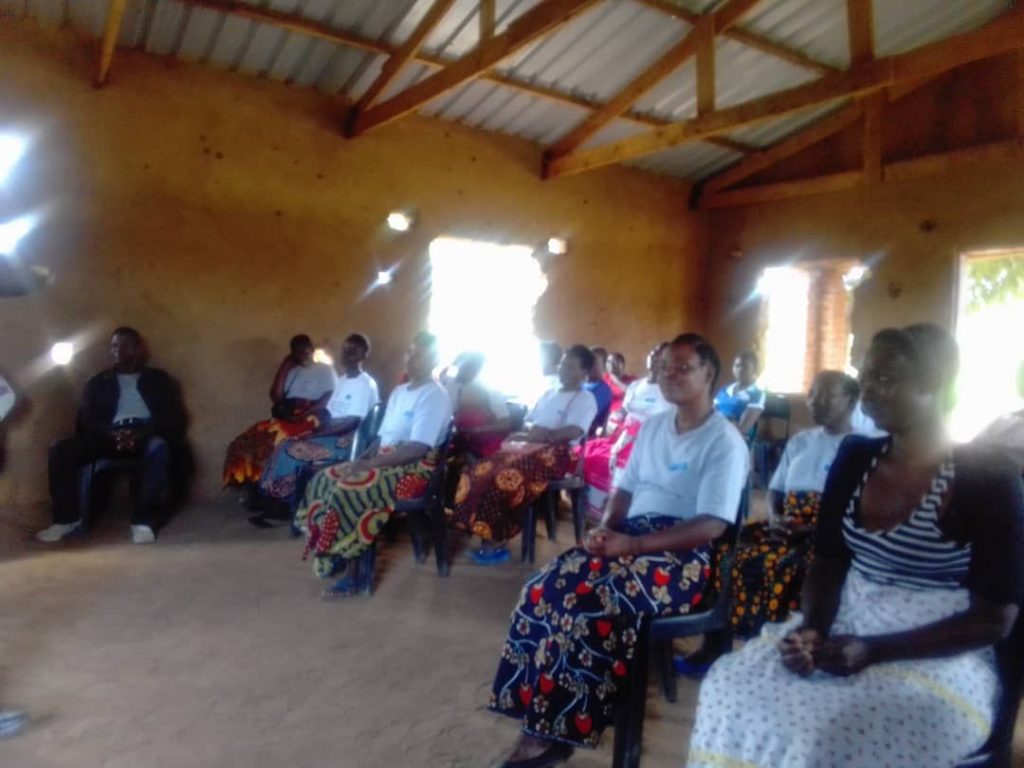
Mother Care Groups (MCGs),in areas around Lilongwe district commended the project saying people are complementing what the project is targeting as mothers and guardians are now willingly taking their children to health facilities in large numbers and many are making sure that children are taking all necessary vaccines in time.
This was disclosed by Eliza Benjamin chairperson of Mtchitanjiru MCG at Senior Chief Chiwoza headquarters during refresher trainings which MHEN is conducting in Lilongwe concerning the project.
“At first situation was not impressive as mothers were not taking it serious when it comes to vaccinating children but when we started conducting door to door visits mothers and guardians are now able to understand importance of taking their children to health facilities for proper vaccination and the messages are now well received and am assuring you that we will reach out to the intended purpose of this project,” She said.
She added that the refresher trainings are timely as they have been well reminded their crucial roles and responsibilities as they voluntarily continue with the work.
She said:”For the new members in the groups they have been able to grab first hand information from the facilitators of the project.”
30 member MCGs were established in 2019 in districts which were not well complementing to vaccine immunisation uptake including Lilongwe district in order to senstize on vaccine uptake among under five children.
MHEN is conducting these refresher trainings with support from Global Alliance on Vaccination and Immunisation (GAVI) with technical support from ministry of health.
In a surprising turn of events, former expelled Democratic Progressive Party (DPP) Presidential Advisor, Kondwani Nankhumwa, has taken a bold step forward by forming his own party called Democratic Party (DP).
The news of this venture has created ripples in the political landscape as it marks a significant shift in the power dynamics within the ruling party, the DPP.
Our sources have revealed that meetings have been actively taking place at Nankhumwa’s residence in Lutchenza, where key decisions have been made regarding the formation of the party.
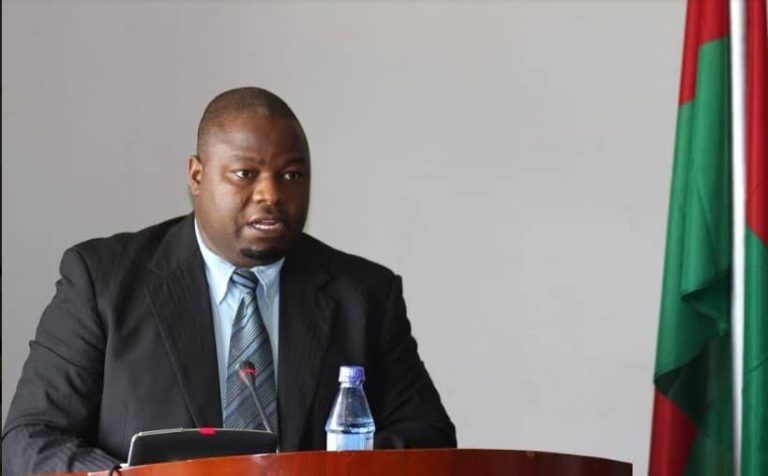
Kondwani Nankhumwa
The newly established political entity has already begun formulating its identity.
Our insider, who was present at one of their meetings, disclosed that the party has chosen a maize cob as their emblematic symbol.
This choice underlines their commitment to representing the interests of the agricultural sector and rural communities, which remain the backbone of Malawi’s economy.
Prominent figures who were previously expelled from the DPP, such as Nicholas Dausi, Bottoman, and Grezelda Geoffrey, were reportedly attending these pivotal meetings.
Organizational support for the nascent party also extends to influential figures like Joyce Chitsulo, who although absent from the meetings, expresses her backing for the forthcoming party.
Surprisingly, our sources reveal the unexpected involvement of a senior Malawi Congress Party (MCP) official who serves as a minister in Chakwera’s government.
Although their specific role remains unclear, their presence indicates potential cross-party alliances or a shared ideological alignment between Nankhumwa’s Democratic Party and the MCP.
This connection could lend credibility and support to the newly formed party, making it a formidable contender in future political engagements.
Planning for the future, Nankhumwa and his associates have decided to register the party after compiling a substantial number of signatures across the nation.
This process is expected to be completed within the next two weeks, signaling their commitment to a swift launch.
Our sources also divulge that the MCP official contributing MK12 million to support the party’s operations further solidifies their dedication to establishing a strong political presence.
Political analysts have speculated on the implications of Nankhumwa’s decision to form his own party.
Legal experts argue that despite accusations of crossing the floor in parliament, Nankhumwa will maintain his position, given that his party did not win parliamentary seats.
This legal interpretation brings the status and influence of the Democratic Party into question, as it may face challenges in achieving political representation in parliament.
Kondwani Nankhumwa has long harbored aspirations for the highest political office in Malawi.
In the past, he made his intentions clear, refusing to accept the role of Chief Whip in parliament and instead proclaiming his desire to lead the opposition.
Recently, Nankhumwa cryptically announced his appearance on the electoral ballot but chose not to disclose whether he would run for president or as a running mate.
But he said his dreams of becoming a president still linger in his minds.
Our insider asserts that Nankhumwa is likely to choose the latter option, indicating a shrewd political strategy to gain influence within the political landscape.
Further rumors suggest that Nankhumwa’s animosity towards his former boss, Peter Mutharika, has fueled his determination to prevent Mutharika’s candidacy in the 2025 tripartite elections.
Allegedly, Nankhumwa plans to present an age limit bill in parliament, targeting Mutharika and endeavoring to restrict his eligibility for presidency.
Political commentators caution against Nankhumwa’s confrontational tactics, deeming them anachronistic and potentially harmful to his political career.
As Kondwani Nankhumwa forges ahead with his vision for a new political party, he faces numerous challenges and uncertainties.
While his bold move has shaken the political establishment and garnered support from former DPP members, the path to establishing a successful political party remains arduous.
Critics emphasize the importance of contemporary political strategies and a focus on pertinent issues affecting Malawians’ daily lives.
Only time will reveal the true impact of Kondwani Nankhumwa’s decisions and whether his Democratic Party can create a significant shift in Malawi’s political landscape.
As the nation looks towards the future, the emergence of alternative political entities signals an evolving political climate where new voices and fresh perspectives may play a pivotal role in shaping the nation’s destiny.